
3 Critical Benefits Of Designing For Manufacturability
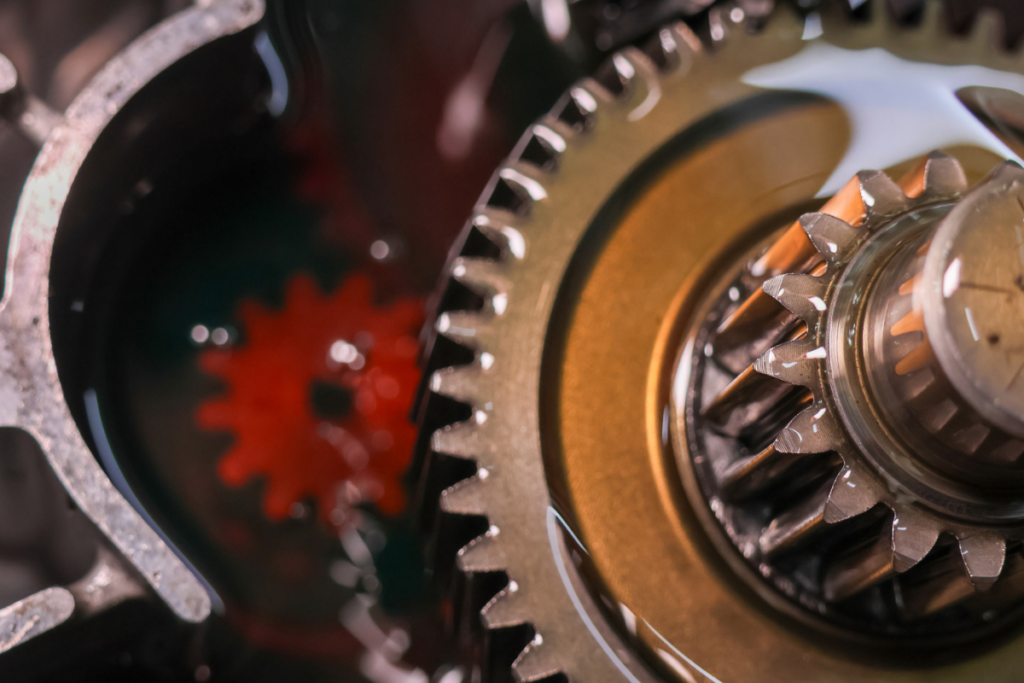
OEMs and precision-machined parts and components suppliers know manufacturing efficiency starts with optimized designs that meet engineering requirements without unnecessary complexity.
Design for manufacturability (DFM) principles address both objectives by bringing manufacturing considerations into the design process, helping engineers identify opportunities to improve production efficiency, control costs, and maintain consistent quality before any metal is cut.
Fabrication And Usage Considerations For Implement Hitches

Implement hitches operate at one of the most heavily loaded connection points on off-road agricultural, construction, mining, and industrial equipment. They work under some of the harshest conditions, efficiently transferring draft forces, supporting vertical loads, and accommodating movement between the towing vehicle and implement, often under repeated shock loading and across uneven terrain while maintaining a secure connection.
That’s why hitch selection involves in-depth engineering decisions, including component design, load path, articulation, build materials, and surface treatment, all of which influence durability and safety in the field.
Why Jigs And Fixtures Still Matter In Precision Machining

Manufacturers are fortunate to live in an era where advanced technology such as CNC machining, CAD/CAM software, robotic welding, and automated inspection makes fabrication faster, more precise, and more cost-effective than ever before.
However, today’s innovations haven’t completely replaced many of the traditional methods metalworkers have used to create high-quality products for decades.
Metal Plating’s Role In Precision-Machined Component Finishing
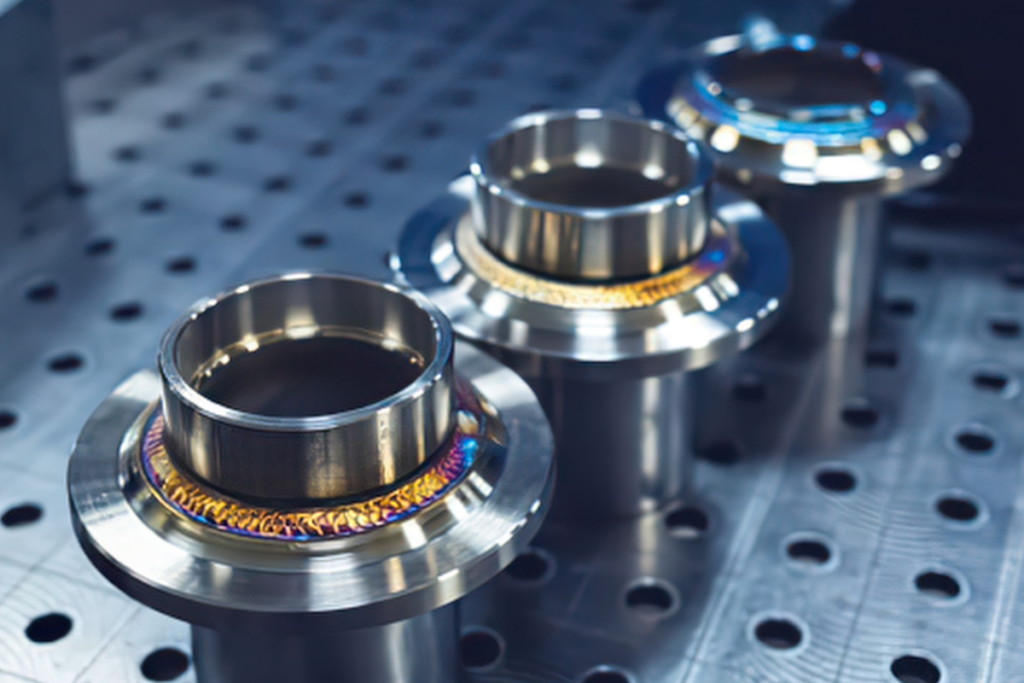
As most industrial equipment OEMs know, the best design and manufacturing processes are useless without comprehensive finishing solutions that optimize the durability, reliability, and lifespan of the component.
One critical finishing process is metal plating, which can significantly improve corrosion resistance, wear resistance, hardness, conductivity, and even appearance. More importantly, plating allows engineers to tailor a component’s surface properties without changing the underlying material.
Finding The Right Wear Resistance vs. Cost Balance In High-Stress Components

Modern OEM procurement teams understand the need to strike a balance between manufacturing costs and the lifespan of their precision-machined parts and equipment to maintain a healthy profit margin.
This is especially true for products used for off-road agricultural, construction, mining, and industrial applications, as their components are exposed to constant friction, debris, impact, and contamination that can shorten their lifespan. As a result, procurement teams must focus on finding solutions that deliver the greatest overall value throughout the equipment lifecycle.