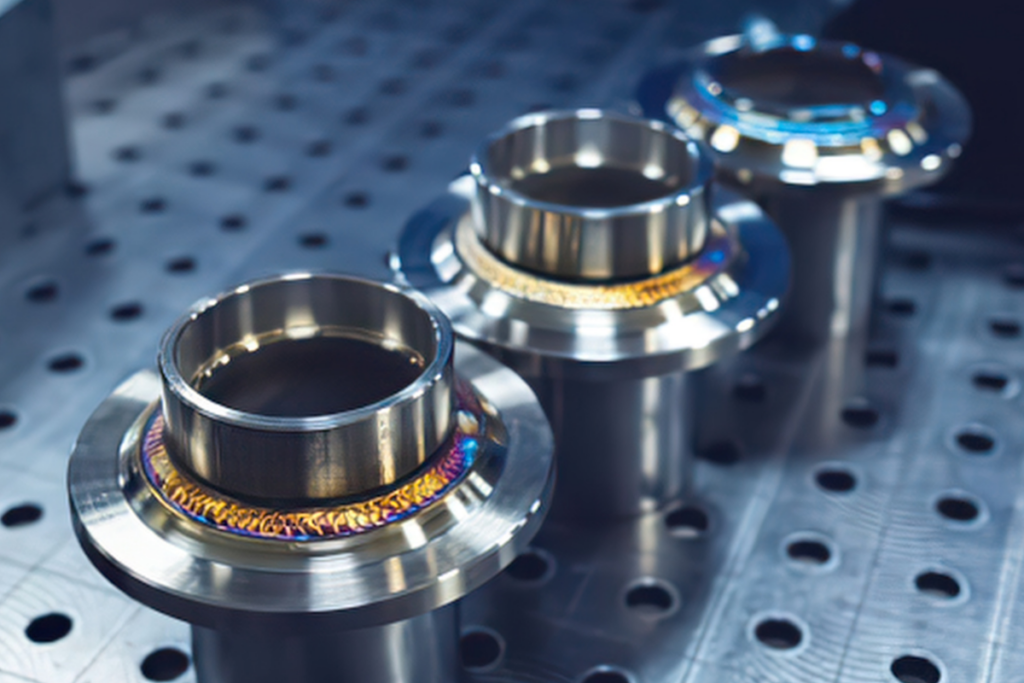
Parts cleaning is a critical process in the precision-machining of off-road parts and equipment. However, unlike what its name might suggest, it has less to do with cosmetics and more with improving the quality of the part.
That’s because fabrication cleaning requirements address issues such as tiny chips and contaminants left behind on the product during the manufacturing process. Even microscopically small chips or contaminants can compromise product performance, especially as tolerances tighten and designs grow more intricate and complex.
Skipping the parts cleaning process can lead to premature part wear or field failures, causing frustration among end users and potentially damaging the product and brand reputation.
Fortunately, advanced technology that automates parts cleaning helps enhance product quality, reliability, longevity, and performance. In this month’s blog, we delve into how precision-machined parts cleaning provides a meticulously engineered approach to both chip removal and decontamination.
Why Cleanliness Plays Such A Critical Role In Parts And Components Manufacturing
Reputable machine and fabrication production houses understand that removing every machined part and component of chips, swarf, oil residues, and microscopic particulates is crucial to ensuring seamless assembly, corrosion protection, and an extended lifespan of the final product.
For example, microscopic particles can throw off a Coordinate Measuring Machine (CMM) or vision system during inspection, delaying production. Debris released into fluid channels, such as fuel or steering systems, can cause immediate mechanical failure. Residual oils left on a part can prevent specialized coatings or plating from bonding correctly, leading to peeling or corrosion.
Simply put, in industries where parts reliability and performance are non-negotiable, such as agriculture, construction, and industrial off-road equipment fabrication, the tolerance for chips and contaminants is zero.
Parts cleaning offers the perfect solution for fabricated parts suppliers to ensure these standards are met and fulfill their customers’ quality expectations.
How Is “Clean” Defined In Precision Machining?
In our industry, a part is “clean” when it reaches a specific, measurable threshold of residual matter. It is typically defined through two primary metrics:
Particulate Cleanliness
This metric defines the maximum allowable size and count of solid particles, such as metal chips, dust, or fibres, that may remain on a part’s surface. For example, general automotive and heavy equipment standards may allow particles up to 100–200 μm, a threshold based on functional risk and assembly requirements
High-precision fabrication for components such as semiconductors often require that no particles exceed 5 μm. There are also often standards applied that limit the total weight of all particles collected from a surface.
Residue Cleanliness
Residue cleanliness refers to “invisible” chemical contaminants such as machining oils, coolants, greases, and fingerprints. This metric is divided into three categories:
- Standard Clean: Limits residue to approximately 500 mg per square metre
- Precision Clean: Tightens the limit to less than 50 mg per square metre
- Critical Clean: Required for aerospace or fluid systems, this threshold often drops below 5 mg per square metre
These guidelines help ensure that machined parts and equipment are free from contaminants and ready for downstream processing. However, finding and removing residual particles is a challenge in itself, especially in parts with blind holes and internal cavities that are difficult to access.
That’s why modern fabricated parts suppliers have adopted advanced technologies that support their objective of meeting relevant clean requirements.
Read More: About Us
Commonly Used Parts Cleaning Technology
Automation has become an integral part of virtually every aspect of metalworking, including parts cleaning. Automated systems allow fabricators to quickly scale or reconfigure processes with minimal disruption to production. They also provide system data and inspection records for verification that the product is fully compliant with cleaning guidelines.
Here are two common technologies used for parts cleaning:
Automated Blow-Off Boxes
This solution helps remove tiny metal fragments generated during cutting and milling. The parts are loaded into a sealed blow-off enclosure where high-velocity, precisely directed air jets, synchronized with part rotation, blow away chips and coolant from every surface, recess, and crevice. The system monitors and adjusts the process as needed, ensuring consistent results across every batch.
Integrated blow-off boxes also keep production moving forward efficiently by keeping pace with high-volume production. Another benefit of this system is that the debris is kept within the enclosure, minimizing operator exposure to airborne particulates and contaminants.
Automated Solvent Wash Stations
Unlike chip cleaning, residual oils, coolants, and microscopic particulates require a more thorough approach to remove them from parts, especially from surface pores and internal passages. The solvent wash process addresses this by providing different washing methods based on the material and contaminant profile.
For example, solvent-based cleaners are typically used for oil residues, while aqueous solutions may be selected for water-soluble contaminants. Solvent-based degreasers are also often used on parts to ensure the thorough removal of oil and swarf.
Many systems also feature agitation methods, such as ultrasonic vibration or mechanical agitation, to enhance solvent penetration, especially in intricately shaped parts.
After the washing process is complete, a controlled rinse and drying sequence is applied.
Automation technology in solvent wash stations is also critical to ensuring that every part receives the same exposure time, agitation, and rinse quality.
If you have any questions about our parts and components cleaning technology, reach out to us anytime. We’re here to help you with a precision-machined solution that will help you reach your production goals.
Read More: Our Solutions
AC Fabrication And Assembly Solutions: Using Advanced Metalworking Techniques To Deliver Better Quality Products
With 300 years of combined experience under our belts, we offer unparalleled quality, durability, and service that you won’t find with any other supplier. These are delivered by skilled technicians whose primary goal is to create sustainable growth for our customers.
Contact an AC Fabrication and Assembly Solutions expert at 204-952-1900 or sales@acfabandassembly.com for a custom quote on your next project today!